International Women’s Day is often filled with celebration. Flowers. Panels. Campaigns. Words like empowerment and leadership. And those things matter. But today, I want to sit with something quieter and far more powerful. Survival. Devotion. The kind of resilience that is built in the middle of chaos.
Organisations such as Ceasefire exist to protect and promote the rights of civilians caught in conflict and crisis. Behind every report they publish, behind every investigation, there are women whose strength does not make headlines but holds entire families, and sometimes entire communities, together.
I think about a mother in northern Syria. She once had a home she decorated herself. A kitchen she knew by heart. Neighbours she could knock on at any hour. Then one day she had minutes to decide what to take. Children first. Documents second. Everything else left behind.
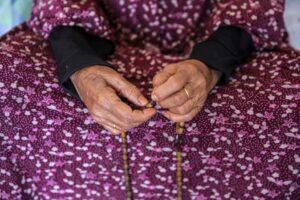
She fled bombardment and crossed checkpoints carrying fear in her chest and a child in her arms. Now she lives in a camp where winter seeps through the tent walls. But she has not allowed despair to raise her children. She teaches them letters by tracing words into the dust. She turns food rations into meals made with care. She works when she can, sewing, cooking, supporting others in the camp. She does not just survive. She mothers with devotion. She protects their dreams as fiercely as she protects their bodies.
This same strength exists in so many corners of the world.
In Iran, women continue to demand dignity and autonomy at enormous personal risk. They step into public spaces knowing the consequences. They speak, even when silence would be safer. Their courage is not always loud. Sometimes it is simply the refusal to disappear.
In Afghanistan, girls have been shut out of classrooms. Futures have been rewritten without their consent. Yet women continue to teach in private homes. They gather small groups of girls and pass on knowledge quietly, carefully, bravely. A living room becomes a classroom. Education becomes resistance. Hope becomes an act of defiance.
In Yemen, women wake each day into a humanitarian crisis that has stretched on for years. They walk long distances for water. They manage households without stable income. They hold families together through hunger, displacement and uncertainty.
In Libya, women continue to advocate for justice and accountability in a fragile political landscape. They organise, document abuses and speak up in spaces that were never designed to protect them.
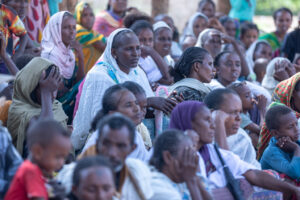
We cannot mark this day without speaking about Sudanese women. In the midst of devastating conflict, many have been displaced multiple times. They have fled violence, witnessed unimaginable trauma, and yet they continue to carry their children, support their elders and rebuild in unfamiliar places. In overcrowded shelters and across borders, Sudanese women are organising community kitchens, sharing resources and creating small pockets of safety in the middle of fear. Their strength is not abstract. It is visible in the way they show up for one another when systems collapse.
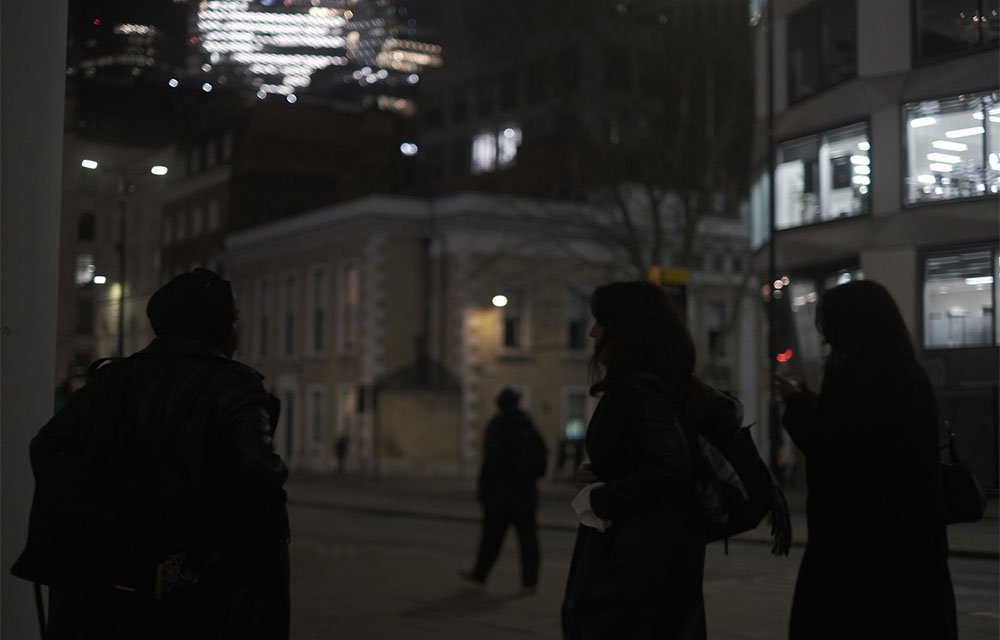
Resilience does not only live in war zones. It also arrives in the UK with one suitcase and an address written on a small piece of paper.
The migrant woman who comes here for safety or opportunity leaves behind more than geography. She leaves behind familiarity, language, sometimes status and security. She arrives and starts again from zero. She learns about this new country. She takes jobs beneath her qualifications. She studies at night. She sends money home. She translates for relatives. She builds a life carefully, patiently.
There is something profoundly fearless about stepping into a new country with almost nothing and deciding you will succeed anyway. With one small bag on her shoulder, she builds a name for herself. She becomes a nurse, a business owner, a community leader, a mother raising children between cultures. She refuses to be defined by what she lost. Nothing seems able to stop her.
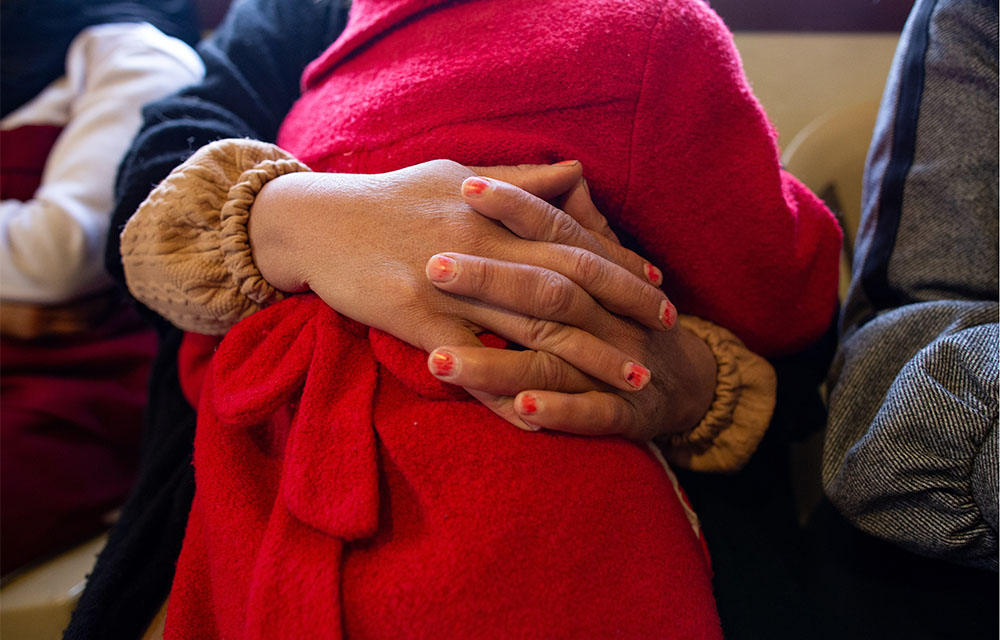
On International Women’s Day, we must recognise that women living through conflict, crisis and marginalisation are not passive victims. They are active agents of survival and change, capable of protecting their families and communities. Because civilian protection is not just a policy or legal principle. It is about mothers in tents. Girls studying behind closed curtains. Women crossing borders with children in their arms. Communities rebuilt by hands that have already endured too much.
Their resilience should never be an excuse for the world’s inaction. They should not have to be this strong just to stay alive. But the fact that they are, that they continue to love fiercely, work tirelessly and hope stubbornly, is something extraordinary.
Today we honour the Syrian mother teaching in a camp. The Iranian woman refusing silence. The Afghan teacher keeping education alive. The Yemeni, Libyan and Sudanese women holding communities together in crisis. The migrant woman in the UK building a future from a single suitcase.
We honour their resilience. We amplify their voices. And through our work, we commit to protecting their rights, their dignity and their futures.
Because International Women’s Day is not only about celebration. It is about recognising the strength of women and the barriers they continue to face. And it is about standing, unwaveringly, with them in the continued fight for their rights, safety and dignity.
To every marginalised woman carrying the world quietly:
We see you.
We honour you.
And we stand with you.
Photos courtesy of Meyss Sattouf.